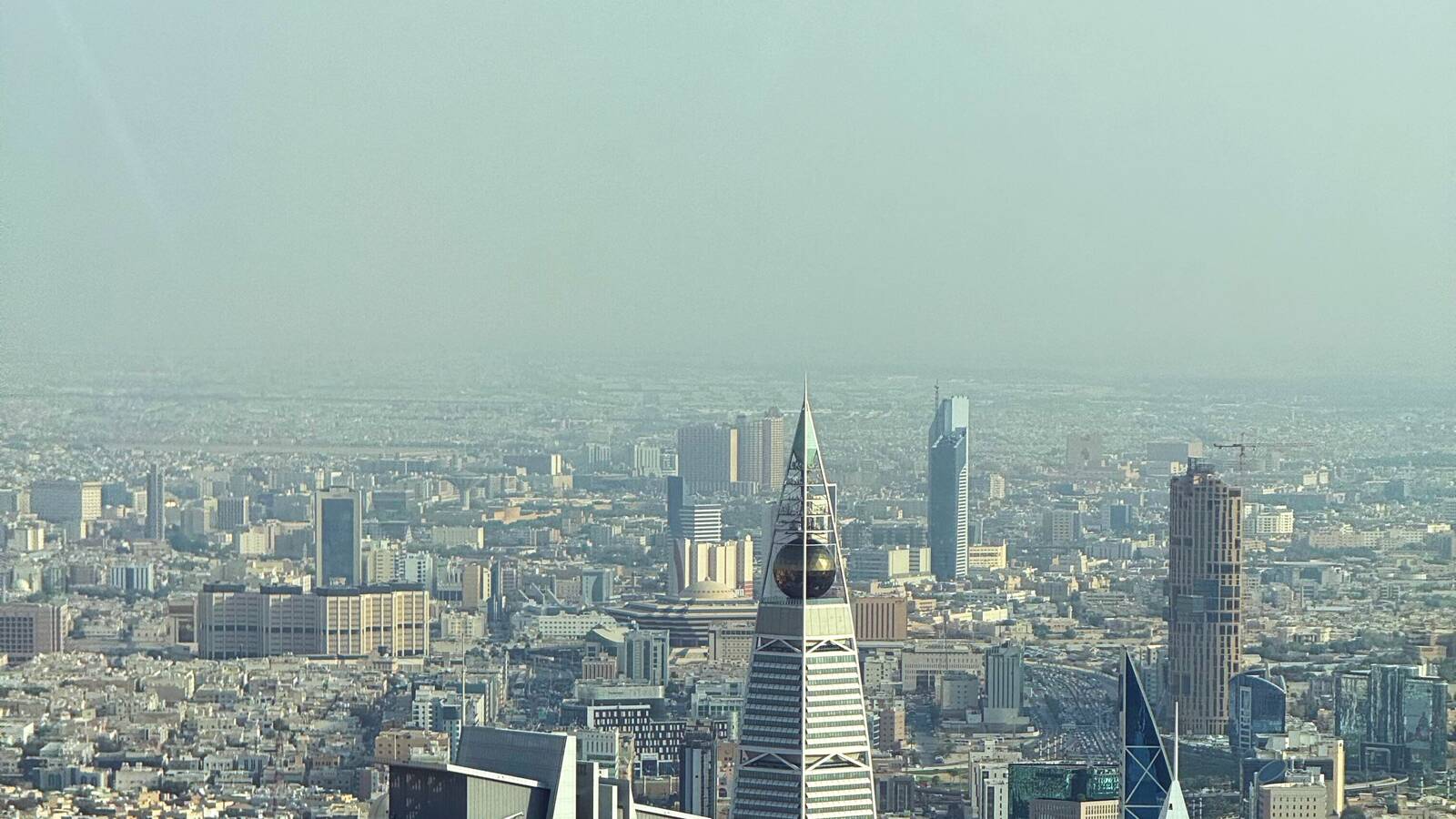
Saudi Arabia has private and international schools that follow British, American, IB and other curricula, and some of them hire teachers from abroad. To work there, you need a job offer from a school that can sponsor you, a work permit and a work visa.
This guide explains what Saudi law says about working as a non-Saudi teacher: the work permit, who pays the fees, your contract and your passport. It also covers the Ministry of Education rules that affect teachers in private and international schools. It is general information for teachers from any country. We checked the rules on the Ministry of Human Resources and Social Development (MHRSD), Ministry of Education (MOE) and Education and Training Evaluation Commission (ETEC) websites in October 2026.
Some Saudi government pages could not be read: the ETEC professional licence platform did not respond, and the KSA Visa platform timed out. Where that matters, the guide says so and tells you what to ask.
The work permit: what Saudi law says
MHRSD’s page on the employment of non-Saudis sums up the main articles of the Labour Law (MHRSD). The page was last changed on 7 September 2025.
| Article | Rule |
|---|---|
| 32 | “Recruitment for the purpose of employment shall not be permitted except after the approval of the Ministry.” |
| 33 | Non-Saudis may not work “except after obtaining a work permit from the Ministry”. |
| 36 | The Minister decides which professions and jobs non-Saudis may not do. |
| 37 | “The employment contract for a non-Saudi worker must be written and of a fixed term.” If no length is given, the contract counts as one year. |
| 40 | The employer pays the costs of recruiting the foreign worker and the residence and work permit fees and renewals. |
For the work permit, Article 33 says:
- you must have entered the country legally and be allowed to work,
- you must have “the professional competencies or academic qualifications that the country needs”, and
- you must be under contract with an employer, who is responsible for you.
What this means in practice: you cannot arrange a work visa on your own. The school starts the process. It needs Ministry approval to recruit you and then applies for your work permit.
Who pays the fees
MHRSD explains Article 40 of the Labour Law like this (MHRSD). The employer pays:
- the fees for recruiting non-Saudi workers,
- the fees for issuing and renewing the residence permit (iqama) and the work permit, and any fines for paying them late,
- the fees for a change of profession,
- exit and re-entry visas, and
- the return ticket to your home country at the end of the work relationship.
The worker pays the cost of going home only if they are unfit for work or leave without a legitimate reason. If you move to a new employer, the new employer pays the transfer fees.
So if a recruiter or a “school agent” asks you to pay for your visa, your iqama or your work permit, stop. These are the employer’s costs under Saudi law. Fees for things you choose yourself, such as a test you sit or a document you attest at home, may still be yours. Ask the school in writing which costs it covers.
Your contract on Qiwa
MHRSD’s Contract Management service lets employers create and document employees’ contracts electronically on the Qiwa platform. After the employer creates the contract, “the employee can approve, reject or request to amend the contract through his account on the ‘Qiwa Afrad’ platform”. If both sides agree, the contract counts as certified and approved by MHRSD (MHRSD).
Before you approve the contract on Qiwa, check that it matches your offer letter: job title, salary, allowances, contract length and start date. If something is different, use the “request to amend” option or ask HR to correct it first.
Your passport stays with you
MHRSD’s Employer Compliance Guide says the employer “is not entitled to keep the official documents of the non-Saudi worker or the documents of a member of the worker’s family, such as the passport and residence ID, even if this is with the worker’s consent” (MHRSD Employer Compliance Guide). Any document saying you agreed to hand over your passport does not count.
Getting the visa
After the school has its approval, you apply for the work visa at a Saudi embassy or consulate. The documents each mission asks for can differ by country. When we checked, the old mission web pages redirected to a new portal. The Ministry of Foreign Affairs portal saudiembassy.sa lists the Saudi missions in each country, and the mission sites link to the KSA Visa platform. The KSA Visa platform did not load when we checked, so we cannot list the documents here.
Ask your school for its full document list early, including how recent each document must be and who must attest it. Get the list in writing.
Ministry of Education rules that affect teachers
The MOE’s page on regulations for private and international schools sets several rules that matter to teachers (MOE):
- Qualified staff. Schools must define each role and, “When hiring staff, consider the essential competencies and qualifications required for each position.” The number of teaching staff must be adequate for the type of education, levels, curricula and students.
- Female teachers in the early years. Under Ministerial Circular No. 4401154482, “Female teachers are authorized to instruct both male and female students from kindergarten through sixth grade in elementary schools” in private and international schools.
- School calendar. Private and international schools may set their own term and holiday dates. The start of the year may be moved up to two weeks earlier or later than the national calendar, and the total number of school days must not exceed the approved calendar.
- Lesson length. Each class lasts at least 35 minutes in elementary and intermediate schools and 40 minutes in secondary schools.
- School leaders. Ministerial Resolution No. 4401188414/3/S sets the criteria (qualifications, experience and selection steps) for principals of private and international schools.
The MOE page does not list a minimum degree or teaching qualification for teachers. We could not find an official page that does. Each school sets its own requirements in the job advert, so read the advert carefully and ask the school if anything is unclear.
The teacher professional licence (ETEC)
The Education and Training Evaluation Commission (ETEC) runs a General Teacher Professional License Test. Its services catalogue lists a registration service for this test and a separate Professional License Platform (ETEC).
We could not confirm on an official page whether teachers from abroad working in private or international schools must hold this licence. The Professional License Platform did not respond when we checked. Ask the school whether you need it, when, and who pays the test fee.
Before you accept an offer
- Check the school. Look it up on its own website and apply there. On this board every job links to the school’s own careers page.
- Ask about the steps. Who applies for Ministry approval and your work permit, and how long does it take?
- Ask about the licence. Do you need the ETEC teacher licence? If yes, who pays?
- Read the Qiwa contract. It must match your offer. Use “request to amend” if it does not.
- Know your rights on fees. The employer pays recruitment, work permit, iqama, exit and re-entry and the final return ticket under Article 40.
- Keep your passport. Your employer may not keep it, even with your consent.
- Never pay for a job. A request for a “visa fee” or “placement fee” is a warning sign.
Frequently asked questions
Can I get a Saudi work visa without a job offer?
No. Saudi Labour Law says recruitment needs Ministry approval and a non-Saudi may only work with a work permit, which requires a contract with an employer who is responsible for you. The school starts the process. You then apply for the visa at a Saudi embassy or consulate.
Who pays for my iqama and work permit in Saudi Arabia?
The employer. Under Article 40 of the Labour Law, the employer pays recruitment fees, iqama and work permit fees and their renewals, late fines, change of profession fees, exit and re-entry visas, and your return ticket home when the job ends, unless you leave without a legitimate reason.
Can my school in Saudi Arabia keep my passport?
No. MHRSD’s Employer Compliance Guide says the employer may not keep the official documents of a non-Saudi worker or their family, such as the passport and residence ID, even with the worker’s consent. A paper saying you agreed to hand over your passport does not count.
How do I check my teaching contract in Saudi Arabia?
Employers document contracts on MHRSD’s Qiwa platform. You can approve, reject or ask to amend the contract through your Qiwa Afrad account. If both sides agree, the contract counts as certified by MHRSD. Check it against your offer letter before you approve it.
Do I need a Saudi teaching licence to teach in an international school?
ETEC runs a General Teacher Professional License Test, but we could not confirm on an official page whether teachers from abroad in private or international schools must hold the licence. Ask your school during the interview whether you need it, when, and who pays.